If you have lived in Arizona for more than a few months, you have probably noticed the white crusty buildup around your faucets, on your showerheads, or on glassware fresh out of the dishwasher. That residue is limescale, and it is one of the clearest warning signs of a much larger plumbing issue happening inside your home.
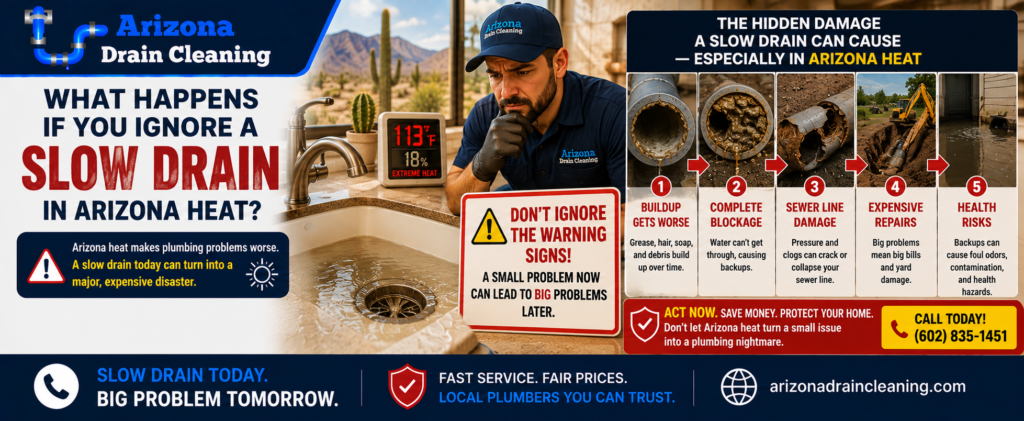
Across the state, hard water pipes Arizona homeowners rely on are constantly exposed to high mineral content water. Over time, those minerals attach themselves to the inside of pipes, drains, water heaters, and fixtures. The process happens slowly, which is why many homeowners do not realize the damage until they start dealing with low water pressure, recurring drain clogs, appliance failures, or expensive plumbing repairs.
Arizona consistently ranks among the states with the hardest residential water supply in the country. In many cities throughout the Phoenix metro area, water hardness regularly exceeds 200 to 300 parts per million, and some neighborhoods test even higher. That level of mineral concentration creates long term wear on nearly every part of a home’s plumbing system.
What Makes Arizona Water So Hard?
Hard water contains elevated levels of dissolved minerals, primarily calcium and magnesium. In Arizona, these minerals come from natural groundwater sources and the Colorado River system. As water travels through rock formations and desert soil, it absorbs mineral content before eventually reaching homes and businesses.
The water itself is safe for drinking, cooking, and bathing. The issue is not human health. The issue is what those minerals do to plumbing infrastructure over time.
Because Arizona relies heavily on mineral rich groundwater and reclaimed water systems, homeowners throughout Phoenix, Mesa, Gilbert, Chandler, Scottsdale, and Tempe often experience significant mineral deposits plumbing Arizona systems struggle to handle efficiently over long periods.
How Hard Water Damages Pipes
Every time water moves through your plumbing system, a tiny amount of mineral residue is left behind. At first, the buildup is almost invisible. But over years, those deposits begin layering on the interior walls of the pipes.
This process is known as calcium buildup pipes commonly experience in hard water environments.
Eventually, the buildup narrows the inside diameter of the pipe. A pipe that originally allowed strong unrestricted flow slowly becomes constricted by hardened scale deposits. In severe cases, older galvanized pipes can become nearly blocked internally.
This creates several major plumbing problems:
- Reduced water pressure throughout the home
- Slower drains and backups
- Increased strain on water heaters
- Higher utility bills from inefficient appliances
- More frequent plumbing repairs
- Greater likelihood of sewer and drain blockages
Many homeowners assume these issues are simply part of living in an older house, but in Arizona, hard water is often the root cause.
The Drain Connection
Hard water drain buildup Arizona homeowners experience is especially problematic inside drain lines. Unlike clean smooth pipes, scaled pipes develop rough irregular surfaces that trap grease, soap residue, food waste, hair, and debris much more easily.
Once that process starts, clogs become far more frequent.
Even careful homeowners who avoid pouring grease down the sink and use drain strainers often find themselves dealing with recurring backups because the mineral scale creates ideal conditions for debris to accumulate.
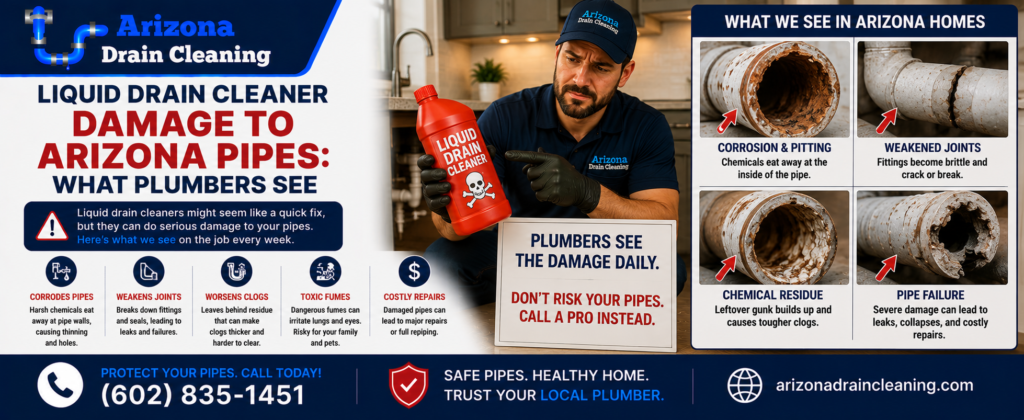
If you find yourself scheduling repeated Drain Snaking Service appointments without long term improvement, scale buildup is often the underlying issue. Snaking may temporarily punch through the blockage, but it usually does not remove the hardened mineral deposits coating the pipe walls.
That is why many Arizona plumbing professionals recommend Hydro Jetting Service for recurring drain issues. Hydro jetting uses high pressure water to scour the inside of pipes, removing grease, debris, and mineral buildup simultaneously.
Why Hot Water Lines Suffer Faster
One of the lesser known effects of hard water is that hot water systems accumulate scale much faster than cold water systems.
Heat accelerates mineral precipitation. That means water heaters, hot water supply lines, and appliances connected to hot water often experience severe buildup years before the cold water side shows similar damage.
Inside your water heater, mineral sediment settles at the bottom of the tank where it forms an insulating barrier between the burner and the water. As sediment accumulates:
- Water heaters use more energy
- Heating efficiency drops
- Rumbling noises develop
- Tank lifespan shortens
- Hot water recovery slows
This is one reason Arizona homeowners frequently replace water heaters earlier than expected.
Common Signs Hard Water Is Affecting Your Plumbing
Many homeowners live with hard water symptoms for years before realizing what is causing them. Some of the most common warning signs include:
Persistent Slow Drains
If multiple drains throughout the home remain sluggish even after cleaning, mineral buildup inside the drain lines may be restricting flow.
Low Water Pressure
Reduced pressure at sinks and showers often points to scale accumulation inside supply lines.
White Chalky Residue
Visible scale around faucets, showerheads, and fixtures indicates high mineral content water.
Frequent Appliance Repairs
Dishwashers, washing machines, and water heaters often fail prematurely in hard water environments.
Recurring Drain Clogs
If clogs repeatedly return shortly after cleaning, hard water scale may be trapping debris inside the pipe.
Stained Fixtures and Glassware
Brown, orange, or cloudy stains often result from mineral rich water drying on surfaces.
Arizona Homes Most at Risk
While all Arizona homes experience hard water to some extent, some properties are especially vulnerable.
Older Homes
Homes built several decades ago may already have years of accumulated scale inside aging pipes.
Homes Without Water Softeners
Properties without treatment systems experience uninterrupted mineral exposure year after year.
Large Households
More water usage means more minerals passing through the plumbing system daily.
Homes with Mature Landscaping
Outdoor irrigation systems also accumulate scale, especially around sprinkler heads and valves.
Rental Properties
Tenant turnover and inconsistent maintenance often allow problems to worsen unnoticed.
How Hard Water Affects Sewer Lines
Many homeowners think hard water only affects supply pipes, but mineral deposits also contribute to sewer and drain problems.
As scale builds along sewer pipe walls, the interior surface becomes rough and uneven. That roughness catches grease, sludge, wipes, and organic waste more easily. Over time, this creates stubborn blockages that standard cleaning methods may struggle to clear completely.
In severe cases, scale buildup can contribute to sewer backups and recurring main line clogs.
This is particularly common in Arizona homes with older cast iron or galvanized drain systems.
What You Can Do About It
The best long term defense against hard water is installing a whole house water softener. These systems remove calcium and magnesium ions before the water enters your plumbing system.
Benefits include:
- Reduced scale formation
- Better water pressure
- Longer appliance lifespan
- Improved plumbing efficiency
- Less soap residue
- Cleaner dishes and fixtures
- Fewer plumbing repairs
Installation costs in Arizona typically range from $1,500 to $3,000 depending on the size of the home and the type of system installed.
Why Drain Cleaning Still Matters
A water softener prevents future buildup, but it does not remove scale that already exists inside your pipes.
That is why professional drain maintenance remains important even after installing a softener.
Routine Hydro Jetting Service can remove years of accumulated scale and restore better flow throughout the system. Many homeowners notice immediate improvements in drain speed and water pressure after professional cleaning.
For homes without softeners, scheduling Preventive Drain Maintenance Packages every one to two years is often the most cost effective way to reduce long term plumbing damage.
Can Hard Water Destroy Pipes Completely?
Over time, yes.
Severe scale buildup can eventually corrode pipes, increase internal pressure, and contribute to leaks or pipe failure. In older galvanized plumbing systems, mineral buildup combined with corrosion can reduce water flow dramatically.
Ignoring hard water problems for years can ultimately lead to partial repiping or complete plumbing replacement.
The Arizona Water Quality Reality
Arizona water quality plumbing issues are not isolated problems affecting only older homes. Hard water impacts nearly every residential plumbing system in the state to some degree.
The difference is simply how early homeowners recognize the warning signs and how proactive they are about maintenance.
Preventive Drain Maintenance Packages, water treatment, and early intervention cost far less than emergency plumbing repairs, slab leaks, or full pipe replacement projects.
Frequently Asked Questions
Is Arizona hard water dangerous to drink?
No. Hard water is generally safe to drink. The minerals are not harmful to human health. The problem is the long term effect on plumbing systems, fixtures, and appliances.
Will a water softener remove existing pipe buildup?
No. Water softeners prevent new scale formation but do not remove buildup already inside pipes. Existing deposits typically require Hydro Jetting Service or professional pipe cleaning.
How do I know if my home has hard water?
Signs include white residue on fixtures, dry skin after showers, cloudy dishes, reduced water pressure, and recurring drain clogs. A water test can confirm hardness levels.
Does hard water affect drains and sewer pipes too?
Yes. Hard water drain buildup Arizona homes experience often contributes to recurring clogs because mineral scale traps grease, hair, and debris inside drain lines.
How often should Arizona homeowners clean their drains?
For most homes without water softeners, professional drain cleaning every one to two years is recommended. Older homes or homes with recurring issues may benefit from annual service.
Is hydro jetting safe for pipes?
When performed by trained professionals after proper inspection, hydro jetting is generally safe for most modern plumbing systems and highly effective for removing mineral scale buildup.
Call Arizona Drain Cleaning at (602) 835-1451 right now to schedule a drain cleaning before the next stage of that escalation arrives. Same-day availability for urgent situations, upfront pricing before any work begins, and ROC-licensed technicians who understand what Arizona’s specific conditions do to drain systems that are not maintained.