If your drain is backing up or running slow, you need one clear answer: hydro jetting or drain snaking? The short version is this. Drain snaking is the right call for a simple, localized, first-time clog. Hydro jetting is the right call when buildup is severe, the problem keeps coming back, or the entire pipe interior needs to be restored. Both methods work, but they solve fundamentally different problems, and choosing the wrong one means paying for a service that will not actually fix what is happening inside your pipes. This guide walks through exactly how each method works, what types of blockages each handles, how they compare in cost and longevity, what Arizona’s unique conditions mean for your decision, and which signs indicate which service you need right now.
Hydro Jetting vs Drain Snaking: A Direct Comparison
| Factor | Drain Snaking | Hydro Jetting |
| Method | Mechanical cable breaks through the obstruction | High pressure water scours the entire pipe interior |
| Best for | Simple, isolated, first-time clogs | Recurring clogs, grease buildup, root intrusion, mineral scale |
| Pipe wall cleaning | No, leaves residue behind | Yes, removes buildup from pipe walls completely |
| Tree roots | Cuts through light roots only | Blasts roots and flushes debris at the same time |
| Mineral scale | Cannot remove hardened scale | Breaks down and removes calcium and magnesium deposits |
| Setup time | Fast, minimal equipment | Requires water tank, cleanout access, camera inspection first |
| Upfront cost | Lower, typically $100 to $300 | Higher, typically $300 to $600 or more |
| Longevity of results | Weeks to months depending on buildup | Months to years depending on usage and pipe condition |
| Safe for fragile pipes | Yes, gentler on old or damaged pipes | Requires camera inspection first to confirm pipe condition |
| Septic safe | Yes | Yes, water only, no chemicals |
What Is Drain Snaking and How Does It Work?
Drain snaking, also called augering or using a plumber’s snake, is one of the oldest and most widely used drain-clearing methods in residential plumbing. A plumbing snake is a flexible metal cable with a cutting head designed to mechanically break through blockages. The cable feeds into your drain while rotating, allowing its cutting head to grab debris, break up clogs, or create an opening for water flow. Using a rotating motion, the device either pulls the debris back through the cable or breaks it into smaller pieces that can be washed away.
Professional drain snakes vary significantly in length and diameter. A standard hand auger handles shallow sink and tub clogs within the first few feet of the drain. A motorized drum auger reaches deeper into longer branch lines. A sectional sewer snake can extend fifty feet or more into the main sewer line to address blockages well beyond where a standard cable would reach.
What Drain Snaking Does Well
Drain snaking is effective for minor, isolated clogs such as hair clogs in a bathroom sink or small food blockages in a kitchen drain and single-location issues where only one drain is affected, and the clog is likely a single point of failure in a branch line.
Snaking is also faster than hydro jetting in most scenarios. A technician can often clear a simple residential clog with a snake in under an hour. It requires less equipment setup, no water tank, and no cleanout access in many cases. For straightforward blockages, it is genuinely the most efficient option available.
Where Drain Snaking Falls Short
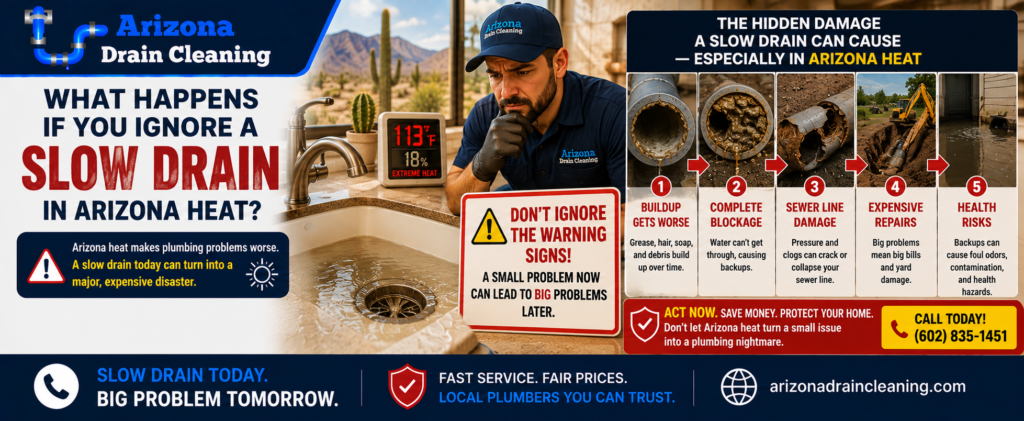
A snake effectively creates a hole through the clog to restore flow, but it does not remove the buildup of grease, soap scum, or mineral deposits along the pipe walls. This means the clog can quickly reform. Snaking also cannot always break through hard mineral scale or stubborn tree roots that have infiltrated the sewer line.
The hole the snake makes is too small to have enough power to thoroughly clean your pipes. What often happens is that traces of the blockage are left behind, which can cause your pipe to clog much faster the next time around. Another disadvantage of snaking is that the tip can scratch your pipe and damage the coating, which can lead to cracks and rusting that open the door to major problems later on.
This is a critical limitation that homeowners often do not realize until they have called a plumber for the same drain three times in a year. The snake cleared the clog each time, but it never removed the grease layer, the soap scum coating, or the mineral scale that lines the pipe wall and gives new debris something to cling to. The clog kept coming back because the underlying condition inside the pipe was never actually addressed.
What Is Hydro Jetting and How Does It Work?
Hydro jetting involves blasting water at a pressure of 1,500 to 4,000 PSI into the sewer system through special nozzles. Forward jets bore through obstructions while rear jets scour walls and drive the hose ahead. Standard rigs for hydro jetting services include tanks, pumps, reinforced hoses, and interchangeable heads. The process begins with a video inspection to assess pipe condition and locate blockages.
Once the camera inspection confirms the pipe can handle the pressure, the technician inserts the jetting hose through a cleanout or drain access point. The specialized nozzle releases powerful water streams in multiple directions simultaneously, forward to break through the blockage and backward against the pipe walls to scour them completely clean. The hose advances through the pipe as it works, cleaning the entire length of the line rather than just the area around a single obstruction.
High-pressure drain jetting removes virtually all debris types, including grease buildup, mineral deposits, soap scum, hair clogs, and even tree roots. The water pressure is so intense it can cut through concrete, making it extremely effective for the toughest blockages. Complete interior scrubbing restores near-new pipe capacity.
The Difference in What Gets Left Behind
This is the core distinction between the two methods and the one that matters most to homeowners who keep experiencing recurring clogs.
Snaking creates a pathway through the blockage so water can pass through, while hydro jetting removes the buildup entirely, leaving the pipe much cleaner. Snaking is often the faster and more affordable option and is a practical choice for smaller issues or one-time clogs. Hydro jetting, on the other hand, is more comprehensive. While it typically costs more initially, it reduces the likelihood of recurring problems by eliminating the material that causes clogs in the first place.
Think of it this way. A drain snake punches a hole through a pile of debris so water can flow again. Hydro jetting strips the entire interior wall of the pipe back to a clean surface, so there is nothing left for new debris to adhere to. One method restores temporary flow. The other restores the condition of the pipe itself.
When You Need Drain Snaking
It Is a First-Time Clog in a Single Drain
If you are facing a simple clog in a toilet or one sink, drain snaking works just fine. Drain snaking uses a manual or mechanical auger that works to break through stubborn clogs and is best for minor clogs from things like hair or other small debris. If the same drain has never been a problem before, a snake will almost certainly clear it efficiently and at the most reasonable cost.
The Clog Was Caused by a Specific Object or Event
If something specific caused the blockage, such as an object that accidentally went down the drain, a sudden accumulation of hair after months of buildup, or a food particle jam at a particular joint in the kitchen line, snaking addresses that type of isolated, identifiable obstruction well. The clog has a clear cause and a clear location, and a snake is perfectly designed for that scenario.
The Pipes Are Older or in Unknown Condition
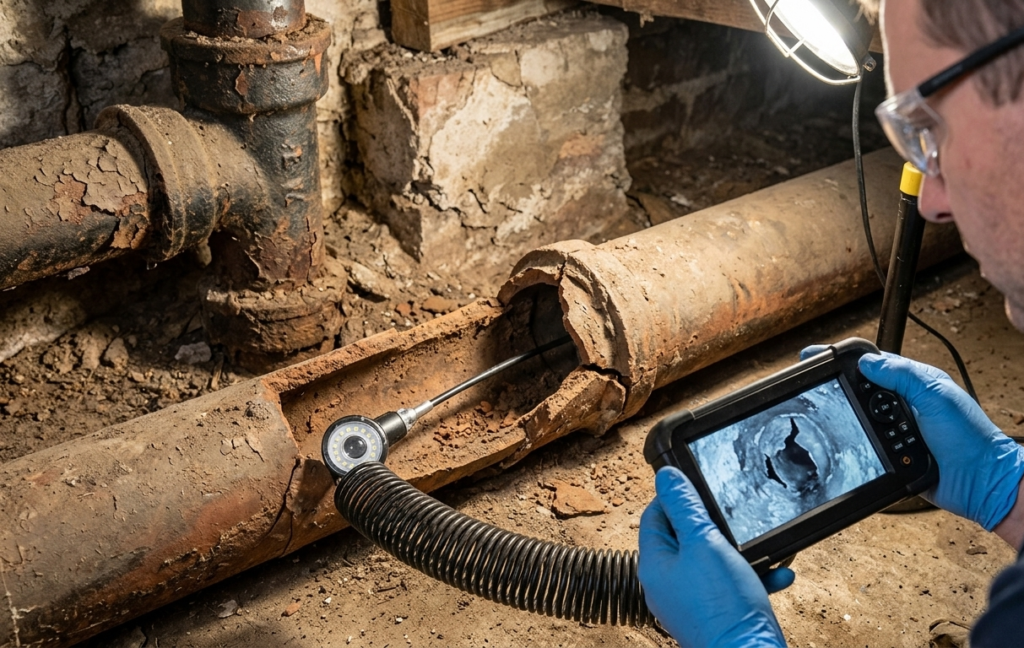
Homes built before 1960 often have clay or early cast iron pipes unable to handle high water pressure without cracking or separating at joints. Drain snaking may be appropriate for working with fragile piping systems. This is also an ideal option when the budget is limited and the problem needs to be fixed immediately, but comprehensive cleaning can wait.
Hydro jetting requires a camera inspection to confirm the pipe can handle the pressure. If that inspection reveals fragile or deteriorating sections, snaking is the safer choice until any needed repairs are completed. This is why a pipe inspection with video camera is always the recommended starting point before either service in an older property.
You Need a Quick Temporary Fix
There are situations where speed matters more than thoroughness. If a drain backs up during a gathering, just before a property showing, or in a rental unit where an immediate fix is needed while a longer-term solution is planned, snaking restores flow quickly. Just be aware that the underlying buildup will still need to be addressed with a more comprehensive service in the near future.
When You Need Hydro Jetting
The Same Drain Keeps Clogging
If you have had to call a plumber for the same drain multiple times, this suggests buildup along the pipe walls that only hydro jetting can effectively remove. For recurring clogs or slow drains throughout your home, hydro jetting is the better option because it does not just punch a hole through the blockage but thoroughly cleans the entire pipe.
Repeated clogging of the same drain is the clearest signal that snaking is treating a symptom rather than the actual problem. The clog reforms quickly because the conditions that caused it, typically a thick layer of grease, soap, or mineral scale along the pipe wall, were never removed. Hydro jetting removes those conditions entirely.
Grease Buildup in Kitchen Drain Lines
Grease clogs are particularly challenging plumbing issues. Cooking fat, oil, and grease do not simply wash through the pipe. They cling to the interior surface, accumulating in layers over months and years. A drain snake bores through the soft center of a grease accumulation, creating temporary flow while leaving the hardened outer layers intact. Within weeks the cleared channel fills back in and the problem returns.
Hydro jetting strips the grease from the pipe wall surface entirely, removing both the soft center and the hardened outer buildup simultaneously. For any kitchen drain with a history of repeated grease clogs, hydro jetting is the only method that provides a lasting resolution.
Multiple Drains Are Affected at the Same Time
When more than one fixture backs up or drains slowly simultaneously, the blockage is almost certainly in the main sewer line rather than in an individual branch line. Main sewer line blockages typically involve significant accumulation, root intrusion, or both. A main sewer line inspection combined with hydro jetting is the appropriate response. Snaking a branch line will do nothing to clear a main line obstruction.
Tree Root Intrusion
Tree roots present a serious problem for sewer lines. While specialized cutting snakes can slice through roots, hydro jetting at 4,000 PSI can blast away root intrusions more thoroughly and clean the pipe simultaneously.
A cutting snake can slice through an existing root mass, but it leaves root fragments and the root entry points intact. The roots grow back because the entry cracks are still open and the root system is still drawing moisture from inside the pipe. Hydro jetting removes the root material completely and cleans the pipe walls, giving a significantly longer period before regrowth becomes an issue again. After hydro jetting removes root intrusion, drain repair and replacement or trenchless drain repair to seal the entry point is the complete long-term solution.
Hard Water Mineral Scale in Arizona Pipes
This consideration is particularly relevant for homeowners throughout the Phoenix metropolitan area and the broader Valley. Arizona’s water supply is among the hardest in the United States, with high concentrations of calcium and magnesium that deposit continuously inside every pipe connected to the municipal supply or a well. Over time this mineral scale coats the interior of drain lines, gradually narrowing the usable diameter and creating a rough surface that catches grease, soap, and debris far more readily.
A drain snake cannot touch hardened mineral scale. The cable passes through the center of the narrowed pipe without contacting the scale layer at all. Hydro jetting’s high-pressure water jets chip away and dissolve that mineral buildup, restoring the full interior diameter of the pipe. For homeowners in Phoenix, Scottsdale, Mesa, Chandler, Gilbert, Tempe, and everywhere else in the Valley, mineral scale is a constant and progressive issue that makes hydro jetting the more appropriate maintenance choice in the long run.
Preventive Maintenance Before Buildup Becomes a Crisis
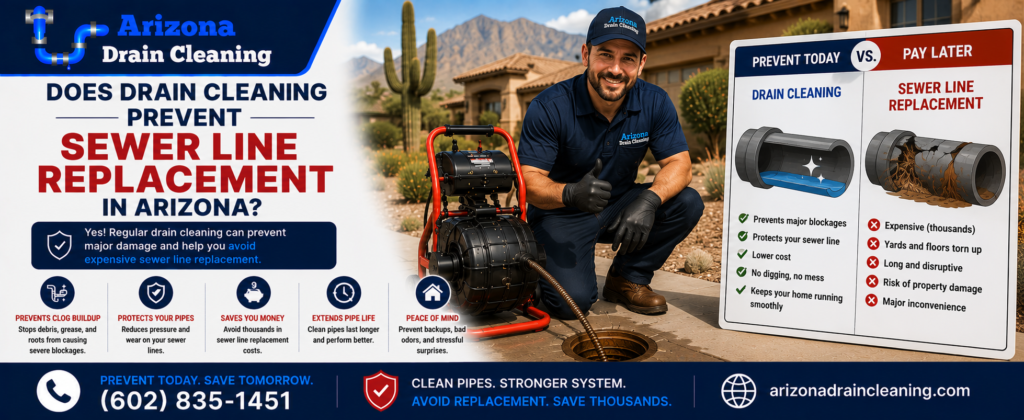
Businesses like restaurants and hotels benefit from scheduled hydro jetting to avoid costly shutdowns. Homeowners also use it as preventive maintenance, especially in high-use households. A well-maintained line reduces emergency calls and expensive repairs.
Scheduling hydro jetting annually or semi-annually in a high-use property keeps accumulation from ever reaching the point of an emergency. This approach costs significantly less over time than repeated emergency service calls, water damage repairs from backups that overflow, or accelerated pipe deterioration from chronic partial blockages. Preventive drain maintenance built around scheduled hydro jetting is the professional standard for any property with a history of drain problems or significant grease and scale exposure.
The Role of Camera Inspection in Choosing the Right Method
A licensed professional will always assess the situation with a sewer camera inspection to determine the best course of action. This ensures that the problem is not only solved but that your pipes are protected in the process.
A pipe inspection with video camera is not an optional add-on. It is the diagnostic step that determines which method is safe and appropriate for your specific pipe system. The camera reveals the location of the blockage, the nature of the obstruction, whether tree roots are present, the condition of the pipe walls, and whether any sections are cracked, corroded, or structurally compromised.
Without a camera inspection, a technician recommending hydro jetting on pipes that have unseen fractures or severely deteriorated sections risks causing a rupture that creates a far more expensive problem than the original clog. With a camera inspection, the right method is selected based on actual evidence rather than a guess, and the results are confirmed afterward by running the camera through again to verify the pipe is clean and undamaged.
Hydro Jetting vs Drain Snaking: Cost Comparison
Understanding the cost of each method requires looking beyond the service call price to the total cost over time.
What Drain Snaking Typically Costs
A professional drain snaking service for a standard residential drain typically runs between $100 and $300 depending on the depth of the clog, the drain location, and the access required. It is the more affordable option at the point of service.
However, if that same drain clogs again two months later and requires another service call, and then again two months after that, the cumulative cost of repeated snaking quickly exceeds what a single hydro jetting service would have cost. Additionally, the repeated clogging usually indicates progressive pipe wall buildup that worsens with each cycle, meaning each subsequent clog is more severe and potentially more expensive to clear than the last.
What Hydro Jetting Typically Costs
Hydro jetting has a higher upfront cost, but it is also a much longer-lasting solution and a smart investment to protect your plumbing system. When you compare the cost and the investment of hydro jetting versus drain snaking, first, snaking is a good option if you need a solution with a lower upfront cost, although it is usually only a short-term fix.
Professional hydro jetting services typically range from $300 to $600 for residential applications, with larger commercial properties or more complex sewer line work reaching higher price points. When combined with a camera inspection, which is strongly recommended before hydro jetting, the total service cost is higher than a single snaking call. But the result is a pipe that is clean from the wall inward, not simply punctured through the center of accumulated buildup.
Longer relief, often three or four times a snake’s interval, reduces total service calls, and complete root removal unlike snake plumbing machines makes hydro jetting the more cost-effective option for anyone dealing with recurring problems.
What Happens When You Use the Wrong Method
Choosing drain snaking when hydro jetting is needed means the clog will return, sometimes within weeks, because the pipe wall conditions that caused it were not addressed. This leads to repeated service calls, escalating frustration, and often a more severe blockage over time as the residual buildup that snaking leaves behind catches new debris faster than a clean pipe wall would.
Choosing hydro jetting on pipes that are too old or fragile to handle high pressure without a prior camera inspection can cause cracking, joint separation, or even pipe collapse in already compromised sections. This is not a concern when the service is performed correctly with a proper inspection first, but it illustrates why skipping the diagnostic step creates risk.
The professional approach is always to inspect before recommending, select the method that matches the actual condition of the pipe, and confirm the result after the service is complete.
Which Method Is Right for Arizona Homes Specifically?
Arizona drain cleaning presents a specific set of conditions that shift the calculus slightly compared to homeowners in other parts of the country.
The combination of extremely hard municipal water, intense summer heat that cycles grease inside pipes between liquid and hardened states throughout each day, and caliche soil that can shift under older foundations and stress pipe joints creates a drain environment where buildup accumulates faster and at a different composition than in most regions.
For Chandler, Mesa, Scottsdale, Tempe, Surprise, Peoria, Goodyear, Tucson, and every other community served across Arizona, drain snaking is a perfectly appropriate first response to a new, isolated clog in a sound pipe. But if that clog comes back, or if the issue involves any of the following, hydro jetting is the appropriate service:
Mineral scale accumulation from hard water. Grease buildup in kitchen drain lines. Slow drainage in multiple fixtures at once. Recurring blockages in the same drain. Any situation involving the main sewer line. Pre-sale or post-purchase property inspections. Annual or semi-annual preventive drain maintenance for high-use properties.
For outdoor drainage, including yard drains, storm drains, and floor drains in laundry rooms, garages, or utility spaces, hydro jetting before Arizona’s monsoon season is a particularly practical protective measure that prevents the overwhelm that partially restricts outdoor drains experience when the first heavy storm arrives.
Can Both Methods Be Used Together?
Many professional plumbers will use both methods together, snaking to create initial access, then hydro jetting for a complete clean.
This combined approach is common with main sewer line blockages that are severe enough that a direct hydro jetting entry is not practical. The snake creates an initial pathway and removes the largest obstruction, then hydro jetting scours the entire pipe clean. The two methods are complementary rather than competing, and an experienced technician will recommend the combination when the situation calls for it.
In Arizona, sewer line cleaning that incorporates a camera inspection, initial snaking if needed, and hydro jetting as the finishing step provides the most complete and lasting result available. This approach is particularly valuable for rental property owners, homeowners preparing to sell, and anyone dealing with a history of recurring sewer or drain problems.
Frequently Asked Questions
Q: Is hydro jetting always better than drain snaking?
Not always. Hydro jetting provides more thorough and longer-lasting results, but drain snaking is genuinely the right choice for a simple, first-time, isolated clog in a sound pipe. The best method depends on the type, severity, and history of the blockage, plus the condition of your pipe.
Q: How long do the results of hydro jetting last compared to snaking?
Hydro jetting typically lasts longer than snaking because it removes buildup from the pipe walls rather than just breaking through a clog. In many cases, results can last months or even years, depending on usage and what is going into your drains. Snaking results can last anywhere from weeks to several months depending on how quickly new debris adheres to the residue left on pipe walls.
Q: Can hydro jetting damage my pipes?
Hydro jetting is not recommended for severely damaged pipes, as it could make the problem worse and end up requiring a costly pipe replacement. We recommend scheduling a professional camera inspection beforehand to look for signs of damage and to ensure that the process will not harm fragile or cracked pipes. When performed correctly after a proper inspection, hydro jetting is safe for PVC, ABS, cast iron, and most modern pipe materials.
Q: Is drain snaking something I can do myself?
While rental snakes are accessible, using them safely requires skill. Improper technique may worsen the blockage or damage pipe joints. DIY users lack protective equipment for hazardous situations. Professional service includes liability insurance that protects you from damage costs. For a very minor, surface-level clog, a small hand auger can work. For anything beyond the first two feet of drain, professional equipment and technique produce better and safer results.
Q: Is hydro jetting safe for septic systems?
Yes. Because hydro jetting uses only water, it is one of the safest methods for both your pipes and the environment. Unlike chemical cleaners, it will not corrode metal or leach toxins into groundwater, and it is safe for septic systems. For properties with a septic tank, hydro jetting is actually the preferred drain cleaning method because it introduces no harmful substances to the system.
Q: What is the difference between hydro jetting and chemical drain cleaners?
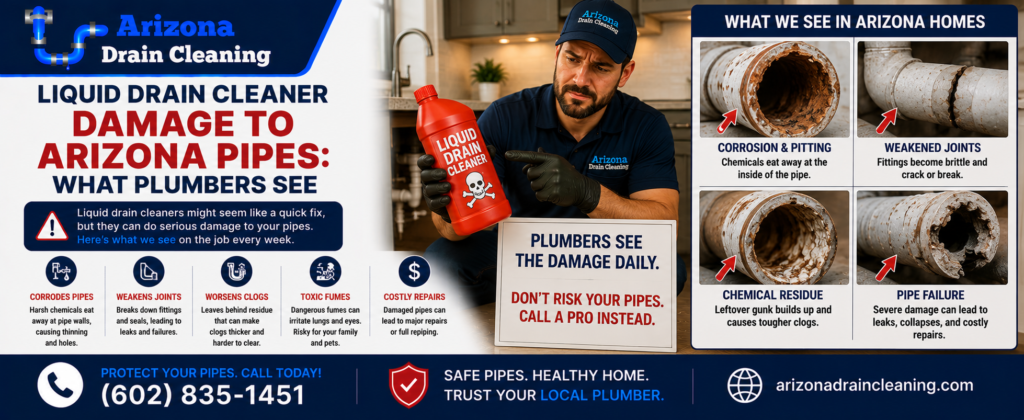
Chemical cleaners can damage your pipes over time and harm the environment. Hydro jetting uses only water, making it safe and eco-friendly. Chemical drain cleaners generate heat that can warp PVC pipes, corrode metal pipes over time, and sit in standing water eating at pipe walls before reaching the clog. They also rarely fully remove the blockage, leaving residue that causes rapid re-clogging. Hydro jetting uses only pressurized water and removes the blockage and the buildup entirely.
Q: My drain is just slow, not completely blocked. Do I need hydro jetting?
Yes, slow drains can indicate buildup inside your pipes. Hydro jetting can restore full flow before the issue turns into a complete blockage. A slow drain is an early warning sign that the pipe interior is narrowing from buildup. Addressing it at the slow-drain stage with hydro jetting prevents the complete backup, potential overflow, and emergency service cost that will result if the buildup is allowed to continue accumulating.
Q: What causes drain odors, and will hydro jetting fix them?
Persistent foul smells from drains are usually caused by decomposing organic matter, biofilm, or sewer gas escaping through a partial blockage. Snaking moves the obstruction but leaves the biofilm and organic residue on the pipe walls, meaning the odor often returns. Hydro jetting removes the biofilm layer and the organic buildup entirely, which is why it provides a more lasting resolution to drain odors than snaking.
Q: How do I know if I need a camera inspection first?
A camera inspection is strongly recommended any time you are considering hydro jetting, dealing with a main sewer line issue, experiencing recurring clogs in the same drain, noticing slow drainage throughout multiple fixtures, or purchasing a property and wanting to understand the current condition of the drainage system. The inspection takes the guesswork out of diagnosis and protects you from selecting a method that could worsen an already compromised pipe section.
The Bottom Line: Hydro Jetting vs Drain Snaking
If you have a single drain that is clogged for the first time and the pipe is in reasonably good condition, drain snaking is the efficient, cost-effective solution. Schedule the service, get the drain cleared, and monitor whether it recurs.
If the same drain keeps backing up, if you are dealing with grease accumulation in kitchen lines, if mineral scale is narrowing your pipes from hard Arizona water, if multiple drains are affected, or if you want a thorough clean that lasts rather than a temporary fix, hydro jetting is the method that actually solves the problem. It costs more upfront and it takes longer to set up, but the result is a pipe that is clean from wall to wall, flowing at full capacity, and not going to clog again in two months.
When you are not sure which situation you are in, start with a pipe inspection with video camera. The footage will make the answer obvious, and you will avoid paying for a service that does not match the actual condition of your pipes.
For homeowners and property owners across Arizona looking for honest recommendations and professional service backed by proper diagnostics, arizona drain cleaning specialists are ready to inspect your system and recommend the right solution, whether that is snaking, hydro jetting, or the combination of both. Contact us or call (602) 835-1451 to schedule your inspection today.